Measure Your Stress Level in Minutes
Test Yourself
Work Stress Test: Assess Anxiety, Depression, and Burnout
 Work Stress Test: an Authoritative Guide to Managing Job
New Updates
Stress Questionnaire: the Complete Guide to Measuring Stress
What Is a Stress Assessment
Stress is a multifaceted response that touches the body, thoughts, emotions, and behaviors, often in subtle ways that are...

The Complete Guide to Online Stress Self-Assessment
What These Tools Measure and Why They Matter
Modern self-screening tools translate psychological research into short, structured questionnaires that...

Depression, Anxiety, Stress Test: A Comprehensive Guide
What These Screenings Are and Why They Matter
Feeling overwhelmed, unmotivated, or wired with worry can make daily life feel like a maze. Screening t...
Take Online Stress Test
Get StartedGauge Your Workplace Stress Before It’s Too Late
In a world of nonstop notifications and ambitious goals, the ability to understand how pressure affects body and mind has become a superpower. Fans of performance science celebrate structured evaluations because they transform vague feelings into clear signals, showing where to push and where to pause. From endurance sports to high-stakes leadership, reliable readings help people discover their capacity, map recovery windows, and avoid the costly detours that come with guesswork. Instead of leaving well-being to chance, a thoughtful approach illuminates hidden bottlenecks and highlights leverage points for improvement.
Across industries, methodologies such as stress testing reveal how systems and people perform when demands intensify. That insight supports smarter training loads, better meeting cadences, and calmer decision-making under time pressure. With practical checkpoints, patterns emerge: what fuels focus, what derails consistency, and which micro-habits stabilize energy throughout the day. The magic isn’t in a single reading; it’s in watching trends, connecting dots, and translating signals into small, compounding changes that make the next challenge more manageable.
Fans of resilience science often start with an introductory protocol like a treadmill or questionnaire–style stress test, then build greater skills from there. Iterating periodically keeps the picture current, because life shifts, roles evolve, seasons change, and responsibilities expand. A cadence of review prevents overload from sneaking up, while also validating when strategies work. In the end, measurement becomes a supportive mirror rather than a judge, encouraging steady gains and protecting the spark that makes ambitious work feel meaningful.
- Clarify recovery needs before big milestones.
- Spot early warning signs and adjust quickly.
- Align personal goals with sustainable routines.
- Turn data into compassionate, practical action.
How These Protocols Work and What to Expect Before You Begin
Structured evaluations follow a simple arc: establish a baseline, apply a controlled challenge, and observe changes. In a fitness setting, that might mean stepping up intensity while monitoring breathing, heart rhythm, and perceived effort. In a cognitive context, it can look like timed tasks that probe attention, accuracy, and mental flexibility. Each domain offers clues, and together they form a picture of how the nervous system mobilizes under load and returns to balance afterward. Preparation is straightforward: sleep reasonably, hydrate, and show up curious rather than competitive.
A common first question, especially for newcomers, is what is a stress test, because definitions vary between clinical labs and workplace coaches. Some emphasize cardiovascular markers, others prioritize psychological indicators, and many blend the two for a more holistic view. What unites the approaches is repeatability and safety, so comparisons over time remain meaningful. Clear protocols, transparent instructions, and well-chosen metrics make the experience both approachable and insightful for beginners and veterans alike. In professional practice, multiple stress tests may be layered to triangulate endurance, cognition, and recovery time. That layered view reduces false alarms and provides richer context for decisions, like when to taper training, delegate tasks, or schedule creative work. Afterward, debriefing transforms numbers into narratives: what went smoothly, which moments felt sticky, and how the body signaled shifting limits. With that story in hand, next steps become obvious and confidence grows.
- Baseline measures establish context for change.
- Controlled challenges surface hidden constraints.
- Recovery markers confirm readiness for the next effort.
Tools, Scales, and Methods You’ll Encounter Along the Way
Fans love that the toolkit is both rigorous and flexible. Cardiorespiratory readings capture how efficiently oxygen is used, while variability metrics track nervous-system balance. On the psychological side, brief questionnaires capture lived experience, offering nuance that raw biometrics can miss. Blending both angles fosters a full-spectrum picture, where subjective perception informs interpretation of objective curves and spikes. This fusion often reveals small interventions, breathing drills, light exposure, or schedule tweaks, that produce outsized gains.
For quick snapshots, many practitioners rely on the validated perceived stress scale to estimate subjective load across the last month. Pairing that perspective with activity logs, sleep metrics, and focus notes generates a practical dashboard. With a few weeks of consistent inputs, trends become unmistakable, and targeted experiments, like gentle morning movement or tighter meeting boundaries, can be evaluated quickly. The result is an evidence-based routine that still feels personal and humane.
| Method | Primary Focus | Time Required | Best Use Case |
|---|---|---|---|
| Graded Treadmill Protocol | Cardiovascular response | 20–30 minutes | Endurance and recovery profiling |
| Heart Rate Variability | Autonomic balance | 2–5 minutes | Daily readiness monitoring |
| Cognitive Load Tasks | Attention and accuracy | 10–15 minutes | Focus under time pressure |
| Brief Mood Surveys | Subjective well-being | 3–7 minutes | Context for physical metrics |
Selection depends on goals. Athletes benefit from graded intensity, creators might prefer cognitive drills, and leaders often blend both, adding short reflection prompts to anchor insights. Simplicity wins early on: pick one or two methods, build consistency, and expand only when the routine feels effortless. Over-complication is the enemy of momentum; clean signals beat noisy dashboards every time.
Benefits for People and Teams: From Clear Priorities to Sustainable Wins
Reliable measures turn guesswork into clarity, helping individuals plan their weeks with intention. Instead of sprinting endlessly, a smarter rhythm emerges: focused work, brief decompression, then a confident return to the task. Leaders gain visibility into how demands accumulate, making it easier to support their teams before friction becomes costly. This proactive posture strengthens morale, boosts retention, and protects quality during crunch periods.
Teams that monitor indicators can catch work stress early and adjust staffing or timelines before productivity dips. By normalizing check-ins and reflection, organizations signal that health fuels high performance rather than competing with it. Simple rituals, a five‑minute reset between meetings or a protected deep‑work block, prevent attention from fragmenting and keep momentum high.
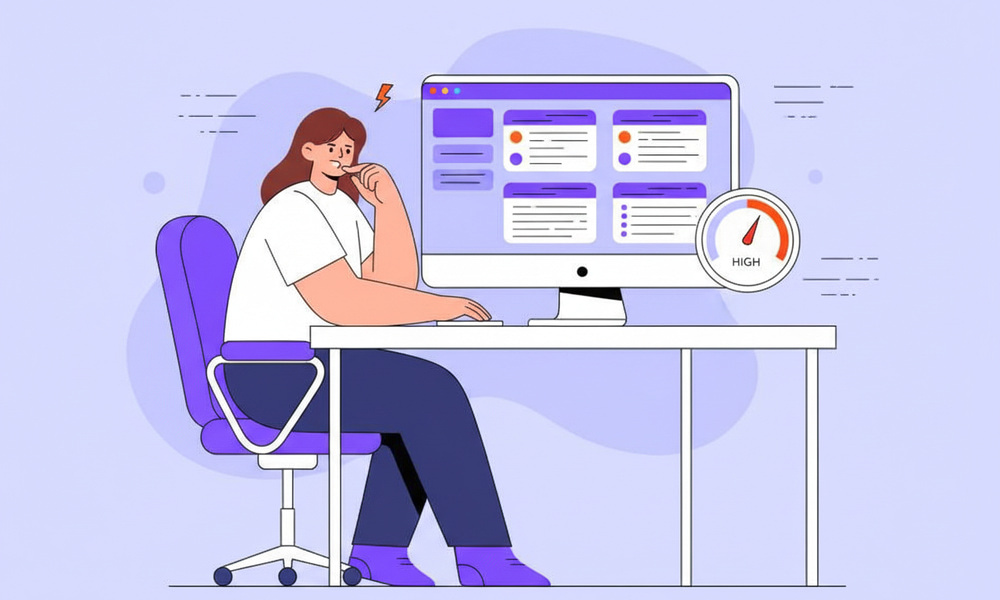
Leaders also benefit from mapping hotspots of workplace stress to redesign meetings, shifts, and decision queues. When coordination burdens drop, creativity rises, because less energy is wasted on context switching. Clear agreements about communication windows and response expectations further lower friction, making collaboration smoother and more respectful. Individual contributors who track job stress alongside sleep and nutrition often notice patterns they can influence. That awareness encourages small experiments: stepping outside for sunlight, adding a mid‑day walk, or scheduling intense tasks after a brief warm‑up. Over time, these micro‑adjustments compound into resilience, making big weeks feel challenging yet manageable rather than overwhelming.
- Align workload with genuine capacity.
- Build recovery into the calendar, not just weekends.
- Create shared language for discussing pressure and priorities.
- Prevent costly mistakes by reducing fatigue and rework.
Interpreting Data and Turning Signals Into Strategy
Numbers come alive when tied to context: the day’s demands, sleep quality, nutrition, and emotional landscape. A thoughtful review looks for patterns rather than perfection, emphasizing direction over any single datapoint. When the narrative is clear, the right intervention usually announces itself, whether that’s a lighter training day, a quieter morning, or a specific recovery practice. The aim is progress that sticks, not a short‑lived spike followed by a crash. After any protocol, clear presentation of stress test results helps translate data into action plans. Visuals and plain language make it easy to see what shifted and why it matters. That clarity builds trust in the process, encouraging consistent follow‑through and reducing the impulse to chase quick fixes.
For personal context, trends in stress level over weeks matter more than a single moment. Gentle improvement signals that habits are compounding, while flat lines or dips invite curiosity rather than judgment. This mindset keeps experimentation playful and protects motivation during heavier seasons. When needed, a formal stress assessment pairs metrics with interviews to pinpoint root causes. That blend can reveal whether load is primarily physical, cognitive, emotional, or organizational. With the source identified, solutions become more precise, saving time and avoiding one‑size‑fits‑all advice that rarely fits anyone.
- Look for trend lines, not isolated spikes.
- Document context so numbers have meaning.
- Revise plans based on real-world feedback.
Digital Options: Accessible Screens, Private Check-Ins, and Rapid Feedback
Modern tools make measurement friendly and fast, whether you’re at home, on the road, or between meetings. Mobile apps pair with wearables, short surveys sync to dashboards, and guidance appears exactly when it’s most useful. Privacy and convenience matter, so the best solutions minimize friction while keeping control in your hands. When check‑ins are easy, consistency follows naturally. Remote teams appreciate an accessible online stress test that preserves privacy while offering rapid feedback. A few guided prompts and a short, timed task can deliver a helpful snapshot without disrupting the day. With clear next steps, the experience feels supportive rather than clinical, encouraging ongoing engagement.

Some platforms include a combined depression anxiety stress test to screen for overlapping concerns. While not a diagnosis, a blended view helps users decide whether to consult a clinician or simply tweak routines. That triage step prevents issues from festering and points people toward the right level of care or self‑management. Casual check‑ins via a short stress quiz can nudge reflection without creating pressure. Snack‑size questions surface trends that might otherwise go unnoticed, such as afternoons that consistently run hot or meetings that drain focus. With that awareness, it’s easier to restructure the day so energy peaks align with important work.
- Use brief, repeatable protocols for consistency.
- Protect privacy and autonomy with transparent data practices.
- Integrate bite‑size guidance into existing routines.
From Overload to Momentum: Building Protection Against Exhaustion
Sustained success requires more than grit; it demands systems that honor limits and invest in recovery. Small rituals, like breathwork between tasks, daylight breaks, and tech boundaries at night, shield attention and stabilize mood. When those guardrails are in place, big goals feel exhilarating rather than punishing, and setbacks become feedback instead of failure. Over time, confidence rises because the path forward is clear and repeatable.
Over time, unmanaged overload can snowball into stress burnout, which drains motivation and impairs memory. Early signs include cynicism, frequent minor errors, and reluctance to start tasks that used to spark curiosity. Catching those clues early allows for timely recalibration, shorter sprints, better handoffs, and richer recovery that restores enthusiasm without sacrificing results. Protective habits scale from individual to team: shared deep‑work blocks, meeting-free hours, and off‑ramps during crunch cycles. When leaders model boundaries, norms shift quickly, and the organization’s operating system becomes kinder and more effective. The payoff is tangible: better ideas, fewer errors, and a culture that people are proud to sustain.
Take Online Stress Test
Get StartedFrequently Asked Questions
-
How often should I repeat a structured evaluation?
Most people benefit from a light monthly check paired with a more thorough quarterly review, which balances visibility with practicality and keeps changes aligned to current goals and seasons.
-
Can I prepare in a specific way to get cleaner readings?
Yes, sleep as well as you can the night before, hydrate, avoid unusually intense activity, and keep food, caffeine, and timing similar to previous sessions so comparisons remain meaningful.
-
What if my numbers fluctuate from day to day?
Short-term variability is normal; trend lines over several weeks matter more than isolated spikes, so focus on patterns and use context notes to interpret any surprises.
-
Do I need specialized equipment to start?
No, many useful insights come from simple surveys, a stopwatch, and reflective notes, and you can add wearables or lab measures later if your goals call for more precision.
-
When should I seek professional support?
If measurements consistently suggest high strain, if mood or motivation drop for more than a couple of weeks, or if daily functioning feels impaired, consult a qualified clinician or coach for tailored guidance.